

No subtitles for this video yet.
Explaining 1970s Bohemian fashion
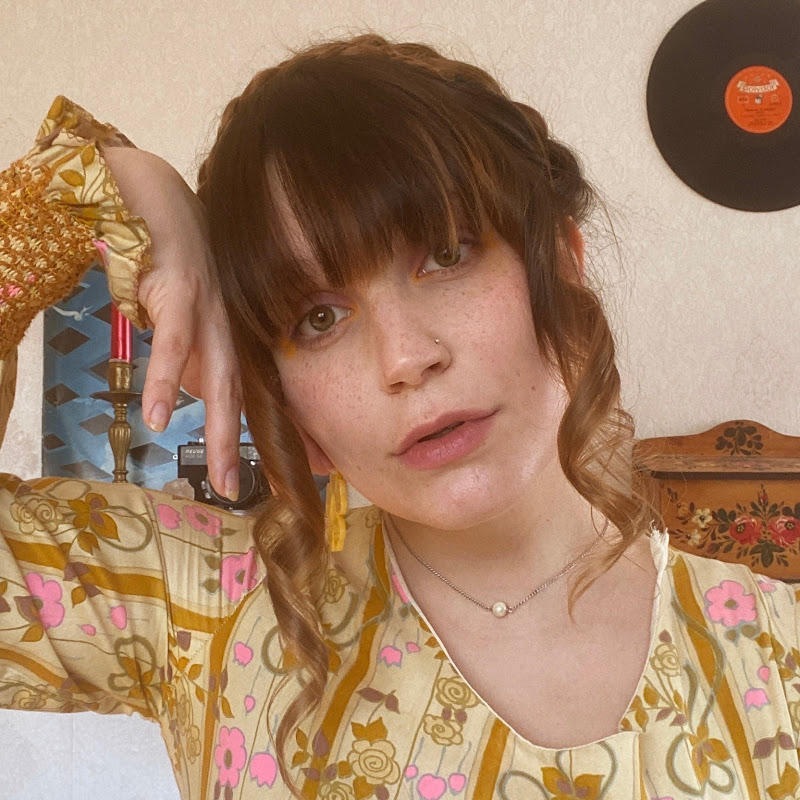
DescriptionHello dolls, 🌼 and welcome to "Explaining 1970s Bohemian fashion"! Today, let’s dive into a style that for many stands synonymously with the counterculture movements of the 1970s: Bohemian fashion. With the social upheavals of the time—civil rights movements, anti-war protests, and a growing environmental consciousnMore
Hello dolls, 🌼
and welcome to "Explaining 1970s Bohemian fashion"!
Today, let’s dive into a style that for many stands synonymously with the counterculture movements of the 1970s: Bohemian fashion.
With the social upheavals of the time—civil rights movements, anti-war protests, and a growing environmental consciousness—young people sought ways to express their newfound freedoms and ideals. Bohemian fashion was one of those outlets, allowing them to reject mainstream consumerism in favor of a more organic, artistic, and sustainable approach to clothing.
A notable aspect of the Bohemian subculture was its embrace of natural and sustainable living, which extended to their clothing choices. Many Bohemians favored second-hand or handmade clothing, using their outfits as a form of protest against fast fashion and environmental degradation. This DIY approach to fashion was a hallmark of the Bohemian style, with people often customizing their clothing with patches, embroidery, or fabric paint.
The 1970s was also a time when traditional gender roles were being challenged, and this was reflected in Bohemian fashion. Men and women alike wore loose-fitting garments, flared jeans, and flowing tunics, blurring the lines of conventional masculine and feminine dress. For women, fashion icons like Stevie Nicks, Janis Joplin, and Ali MacGraw epitomized the Boho look, with their long flowing hair, peasant blouses, and maxi skirts. Men like George Harrison and Jim Morrison embraced a more e
- Loading…