

No subtitles for this video yet.
Customize your own lipstick using color theory mixing shades “Anastasia” #lipstick #colortheory
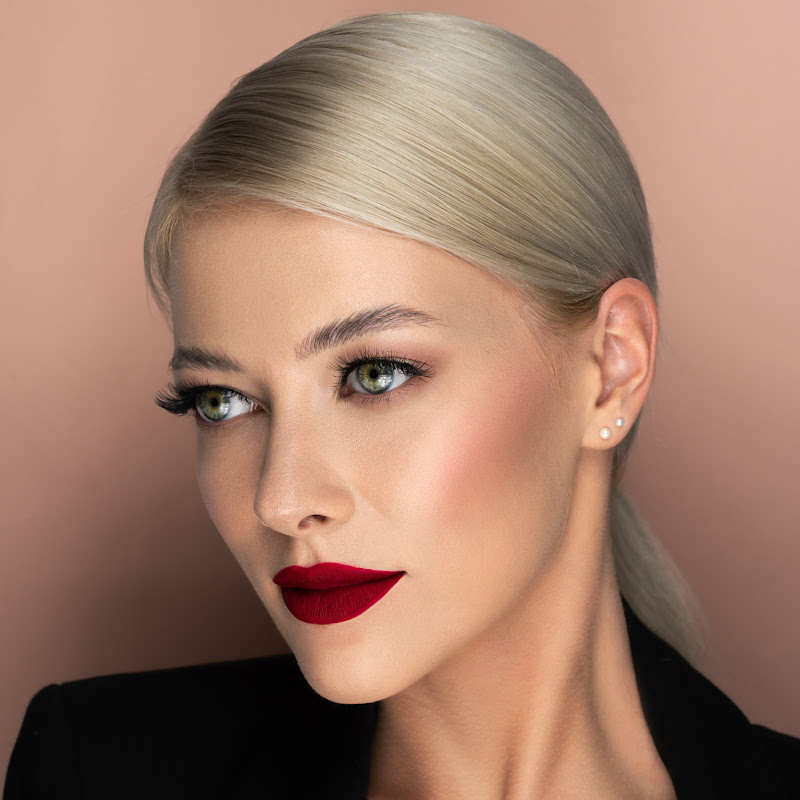
DescriptionLet’s talk color theory & lip mixology again! This time, we’re working with purple and orange lipsticks to create a completely new shade. The final result will depend on • the proportions of each color, • the quality of the pigments, • the formula (matte lipsticks, glosses, and liquid lipsticks will behave differeMore
Let’s talk color theory & lip mixology again! This time, we’re working with purple and orange lipsticks to create a completely new shade.
The final result will depend on
• the proportions of each color,
• the quality of the pigments,
• the formula (matte lipsticks, glosses, and liquid lipsticks will behave differently).
Here’s what I did: I combined a deep purple lipstick with a vibrant orange shade to show you how contrasting colors can come together to create something magical. Why? You might have that bold purple lipstick sitting unused (a Halloween purchase, perhaps?) and a bright orange leftover from summer vibes. Alone, they can feel a bit much, but when mixed together, they form a stunning, wearable terracotta or burnt berry shade or deep mauve — depending on the ratio. This is the magic of neutralization and blending.
Color theory:
• Purple and orange are near opposites on the color wheel, meaning they contrast beautifully
• When blended, the cooler undertones of purple (blue-red) are offset by the warmer undertones of orange (red-yellow), resulting in a shade that’s neither too bright nor too muted.
Proportions:
• More orange than purple: You’ll get a warm, sunset-like terracotta with hints of depth. Perfect for a soft, autumnal vibe.
• More purple than orange: You’ll create a muted berry shade with a touch of warmth—a dramatic yet sophisticated option.
Practical tips:
1. Use a palette (or the back of your hand) to blend small amounts before applying.
- Loading…